VAT and CIS for Solar Installers
Written and reviewed by the Solar Installer Accountants editorial team. Last reviewed 22 August 2026.
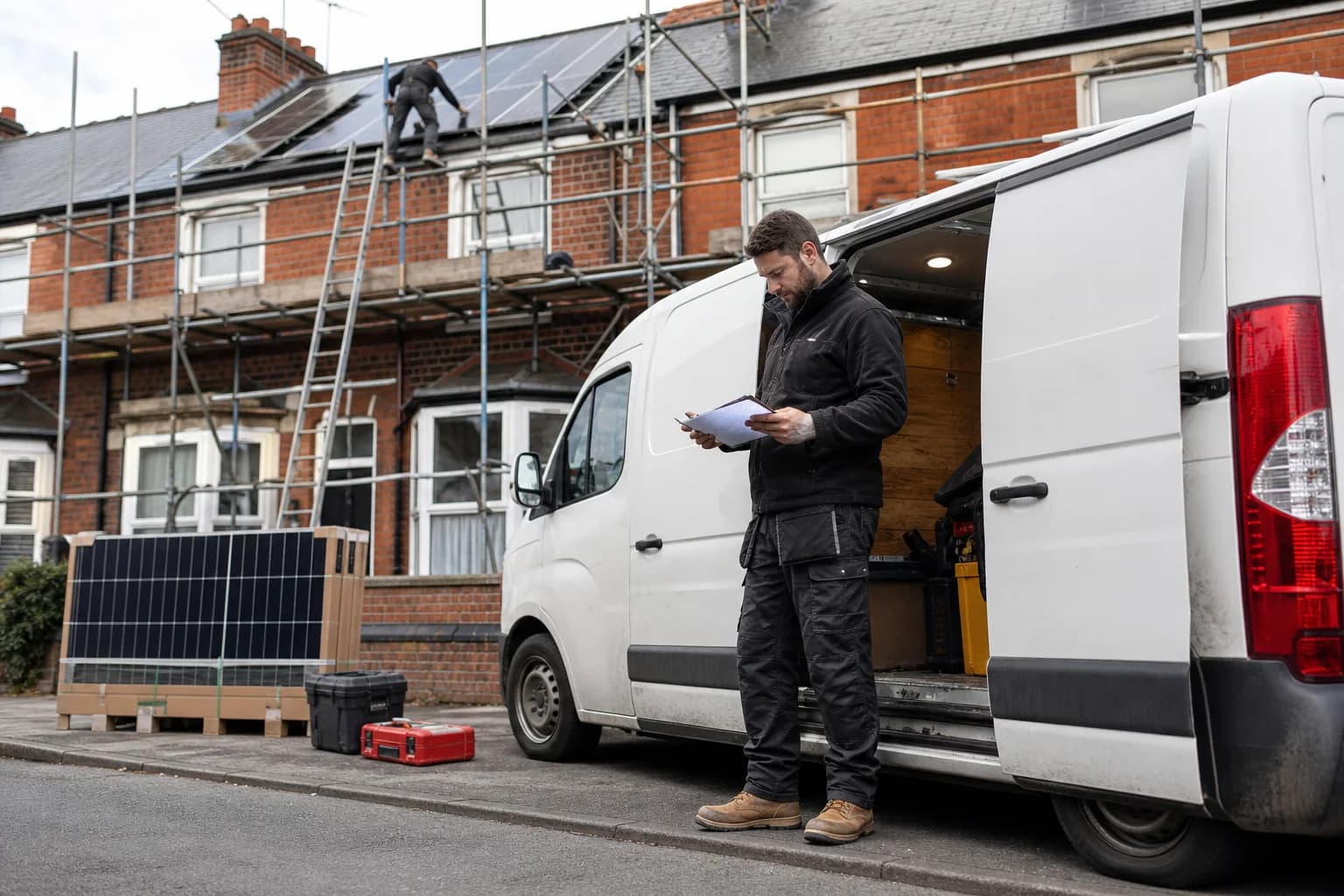
The recurring compliance engagement. We run the VAT returns and the CIS returns, and, more to the point, we make the decision behind them with you rather than reconstructing it afterwards.
This is the service most solar firms actually need month to month. It is a fixed fee agreed before we start and it includes the questions, because a question asked before you quote is worth more than a correction afterwards.
What It Covers
VAT returns on your chosen frequency, with the zero-rated and standard-rated split evidenced properly rather than estimated. Where a job is unusual, a mixed-use building, a barn conversion, a property that is partly commercial, we work out the rate before you quote it and put the reasoning in writing so it holds up later.
On CIS: verifying subcontractors with HMRC, applying the correct deduction, and filing the monthly return. Where you are the subcontractor we make sure the deductions taken from you are captured and set against your liability, which is where money quietly goes missing.
The Reverse Charge Question
The VAT domestic reverse charge catches supplies at the standard or reduced rate that are reported under CIS. It does not reach a zero-rated supply. That single point decides whether it applies to you at all, and a lot of solar firms have been told the opposite.
It also means your exposure changes on 1 April 2027, when domestic installs move from zero-rated to 5%. Work invoiced after that point is reduced rated, so subcontract work that has never been in scope will come into it. We will tell you where that lands for your specific mix rather than in general terms.
How It Runs
You keep quoting and invoicing as you do now. We take the data on an agreed cycle, raise the handful of jobs where the rate is not obvious, and file. Deadlines are tracked at our end, so a monthly CIS return is not something you have to remember.
Where a decision is genuinely uncertain, we say so and set out the two readings and what each risks, rather than picking one quietly.
What It Costs
A fixed monthly or quarterly fee depending on frequency and whether CIS is in scope. It is quoted before we start and does not move because a quarter was busy.
To get a price, tell us about your solar work, including your VAT frequency and whether you use subcontract labour.